Editor’s Note: Western North Carolina is rich with untold stories—many resting quietly in local cemeteries. In this Tombstone Tales series, we explore the lives of people from our region’s past whose legacies, whether widely known or nearly forgotten, helped shape the place we call home.
KONA, N.C. (828newsNOW) — In a small churchyard in the Kona community just outside Bakersville, a simple headstone marks the resting place of Charlie Silver.
The young man buried here is tied to one of the most enduring and debated stories in North Carolina history. Charlie Silver’s death in a small cabin in the mountains would lead to a sensational trial, a public execution and a story that has echoed through Appalachian folklore.
Long before the story became a legend, it began with a young mountain family.
Charlie Silver and his wife, Frankie Stewart Silver, lived in the early 1830s in a cabin along the Toe River valley. At the time, the area was part of Burke County. Mitchell County would not be formed until decades later.
The couple were young, Charlie about 19 and Frankie about 18, and they had a baby daughter named Nancy.
Like many families in the mountains, their life centered on farming, hunting and the close-knit communities that dotted the valleys and hills of western North Carolina.
In the days before Christmas 1831, Frankie told relatives and neighbors that her husband, Charlie, had gone away on a hunting trip and had not returned. When he failed to come home, suspicion began to grow.
A closer search of the cabin revealed a horrific scene. Neighbors found bone fragments in the fireplace ashes, noticed that the ashes were unusually greasy, and uncovered other evidence in and around the house pointing to a violent death. Later retellings of the story described Charlie’s remains being found both in the cabin and around the property.
The discovery shocked the community and word spread quickly through the region that something terrible had happened.
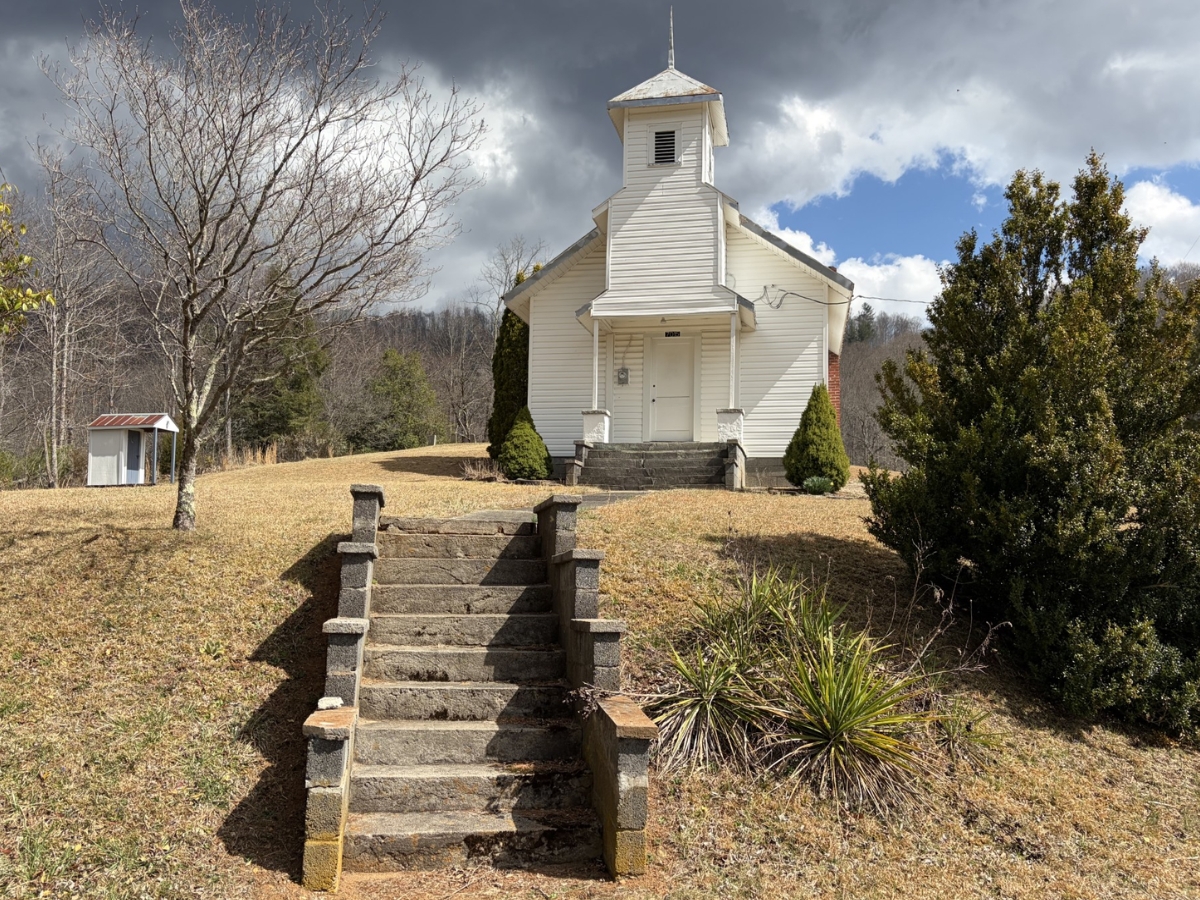
Suspicion soon fell on Frankie.
In early 1832 she was arrested and taken to Morganton, then the Burke County seat, where she was tried before a jury. The case drew widespread attention across western North Carolina, with crowds gathering to hear testimony about what had happened in the remote cabin near what is now Kona.
During the trial, prosecutors argued that Frankie had killed her husband and attempted to destroy evidence by burning parts of his remains in the cabin’s fireplace.
In March 1832, the jury found her guilty of murder. Appeals followed, but failed.
In July 1833, Frankie Silver was put to death in Morganton at just 18 years old. Historical records note that she was the first white woman in North Carolina to face that fate under state law.
Yet even as the legal chapter ended, the questions surrounding the murder did not.
From the beginning, the details of what happened inside the small cabin near Kona were debated. Some accounts described a troubled marriage and suggested Frankie may have acted out of fear or self-defense.
Later historians and writers revisiting the case have pointed out that the full circumstances surrounding Charlie’s death may never be known.
Because of those uncertainties, the story has remained a subject of discussion for generations.
Over time, the story became a part of Appalachian folklore. A ballad written about Frankie Silver circulated through the mountains, helping carry the story from one generation to the next. Like many mountain tales, the retellings gradually blended fact, memory and legend.
Nearly 200 years later, that story continues to draw interest from historians, writers and visitors to the region.
Yet here in the quiet churchyard near Bakersville, Charlie Silver’s grave stands as a reminder that before the ballads and the debates, there was a young mountain family – and a loss that left its mark on this community and on North Carolina history.
-
Tombstone Tales: Charlie Silver’s grave and the enduring mystery of Frankie Silver
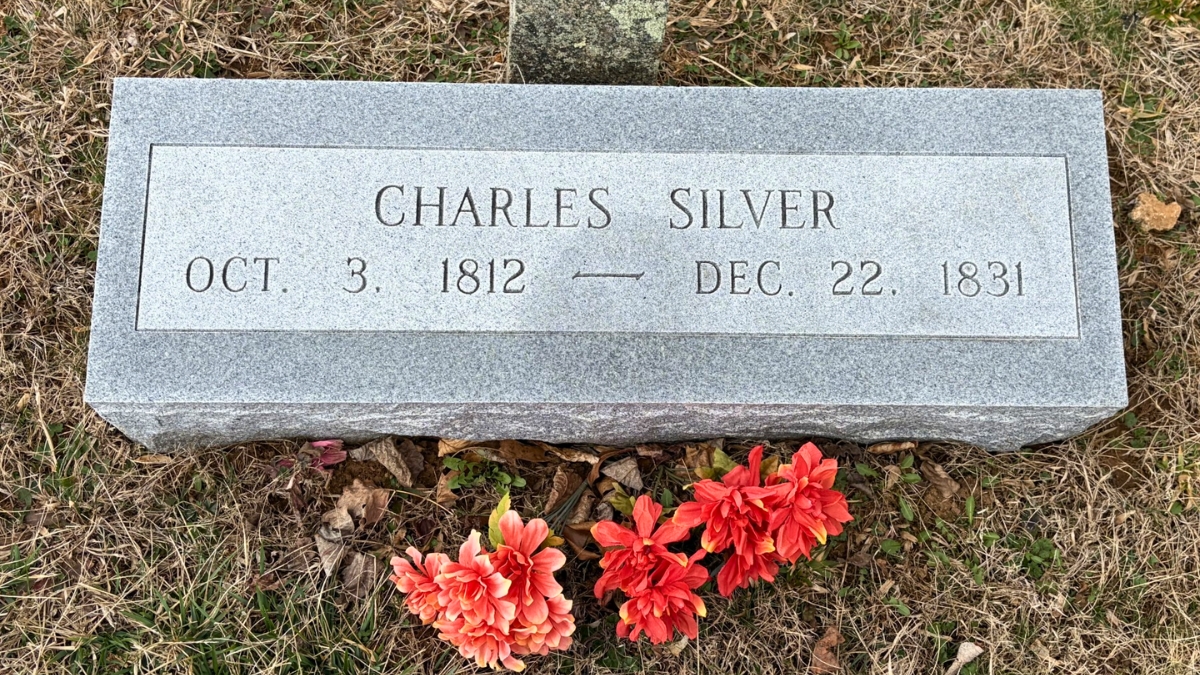
In the Kona community near Bakersville, a quiet cemetery holds the resting place of the young man at the center of one of North Carolina’s most debated 19th-century tragedies.
-
Tombstone Tales: After a dog attack in 1902, Willie Harris’ family raced to save him
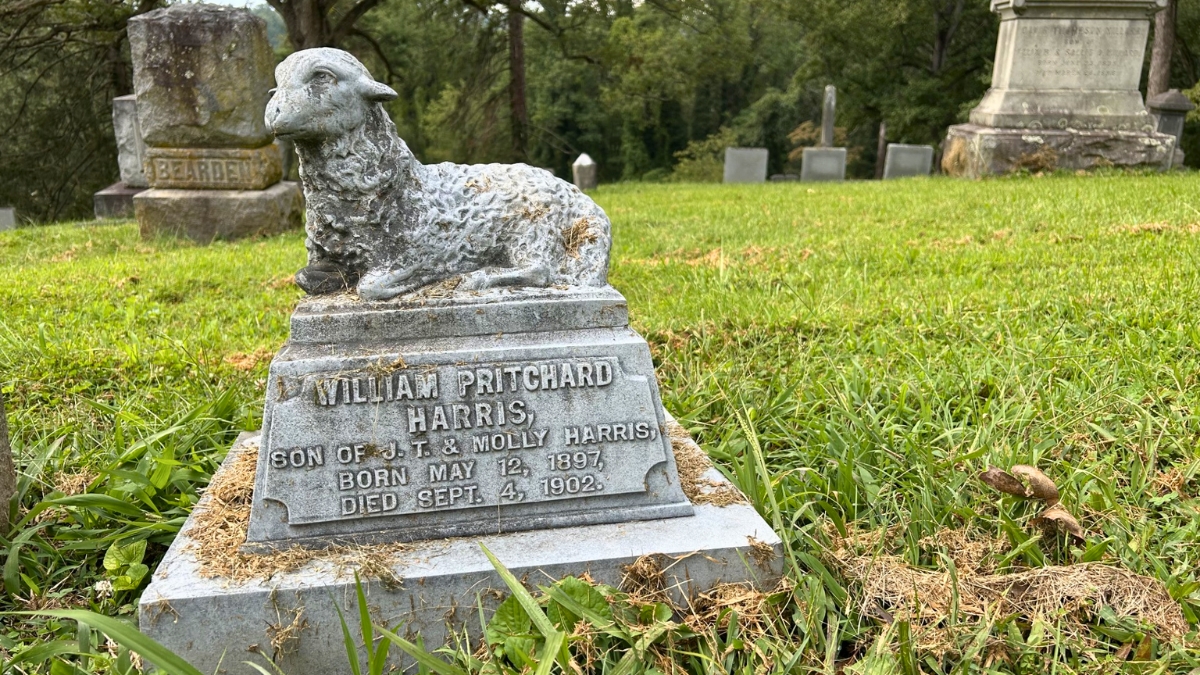
After a dog attack in Asheville in 1902, 5-year-old Willie Harris was taken north for rabies treatment at a Pasteur institute, where hope briefly rose before ending in heartbreak.
-
Tombstone Tales: The life and legacy of Dr. William Caldwell Tate in Morganton
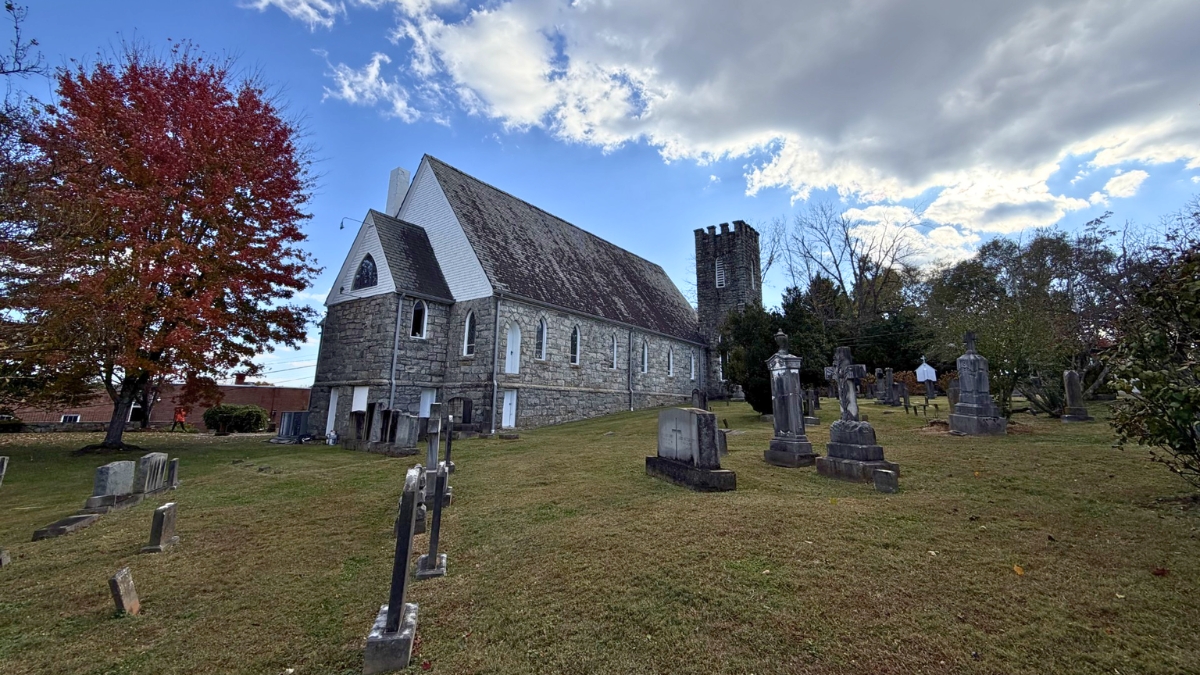
His grave in Morganton marks the life of a nineteenth-century physician whose work carried him from country sickbeds to Civil War service.
-
Tombstone Tales: Asheville’s River Champion, Wilma Dykeman Stokely
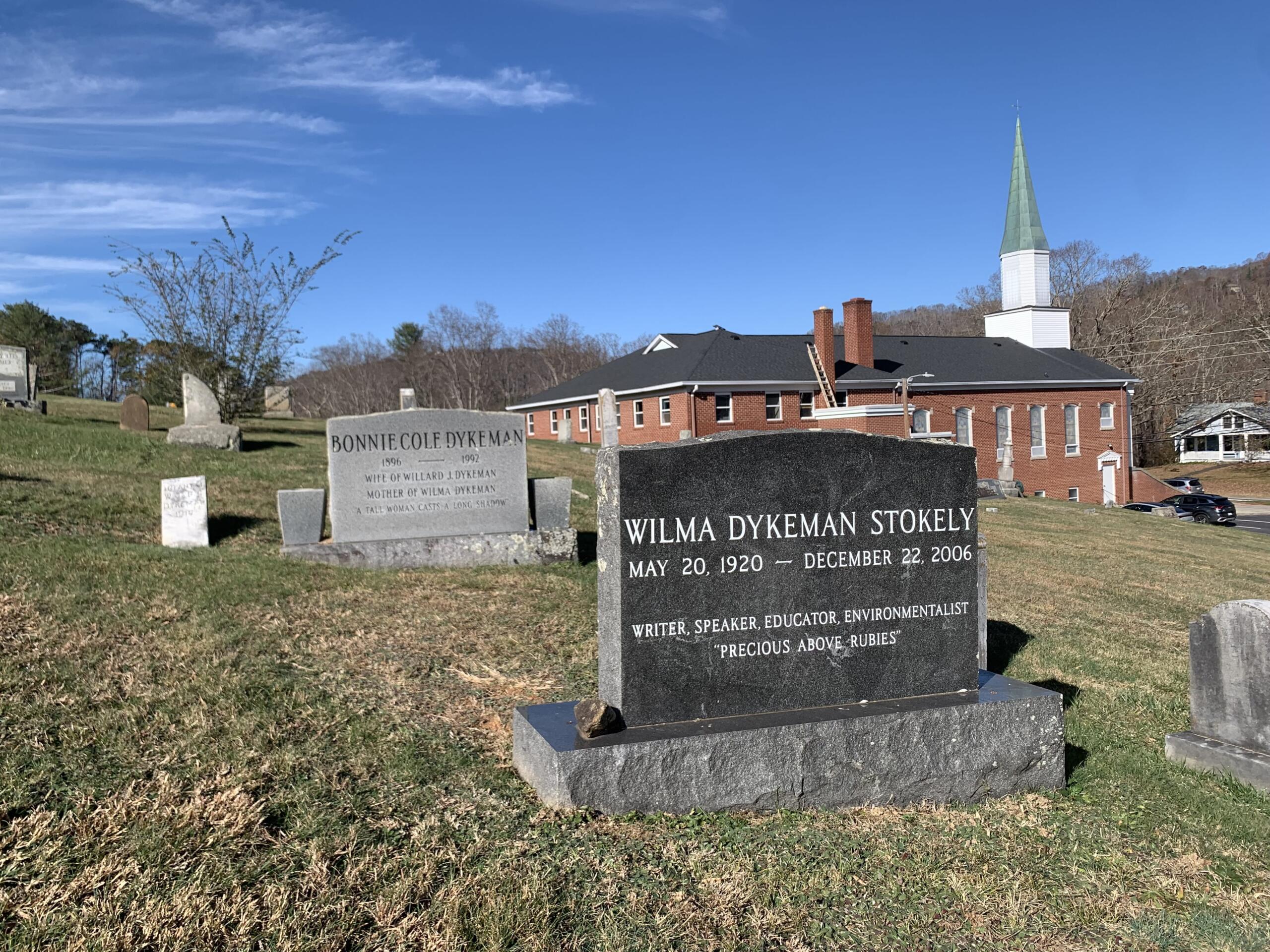
Wilma Dykeman Stokely, often called the “First Lady of Appalachian Literature,” helped shift public attention toward the French Broad River’s pollution and cleanup.
-
Tombstone Tales: Gig Young’s shocking murder‑suicide and his grave in WNC
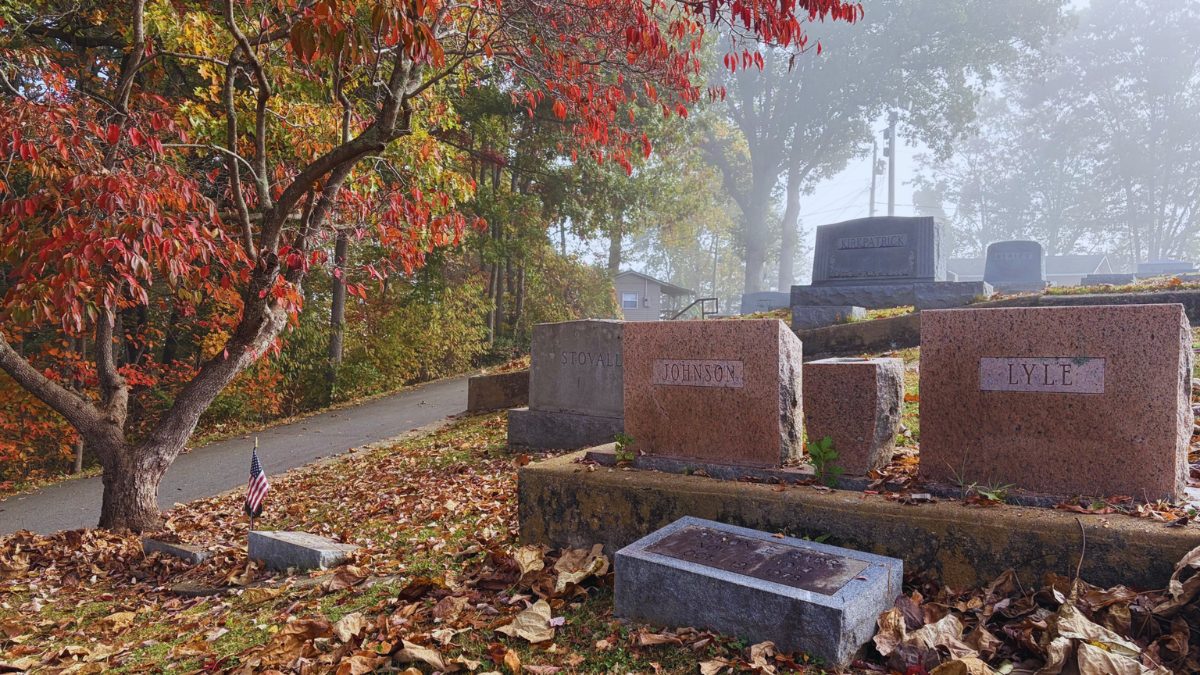
Gig Young’s rise, fall and violent final act still echo from Manhattan to the mountains, where he’s buried under his real name.