News

Tiny Japanese beetle deployed to save Smokies’ hemlocks

Tiny Japanese beetle deployed to save Smokies’ hemlocks

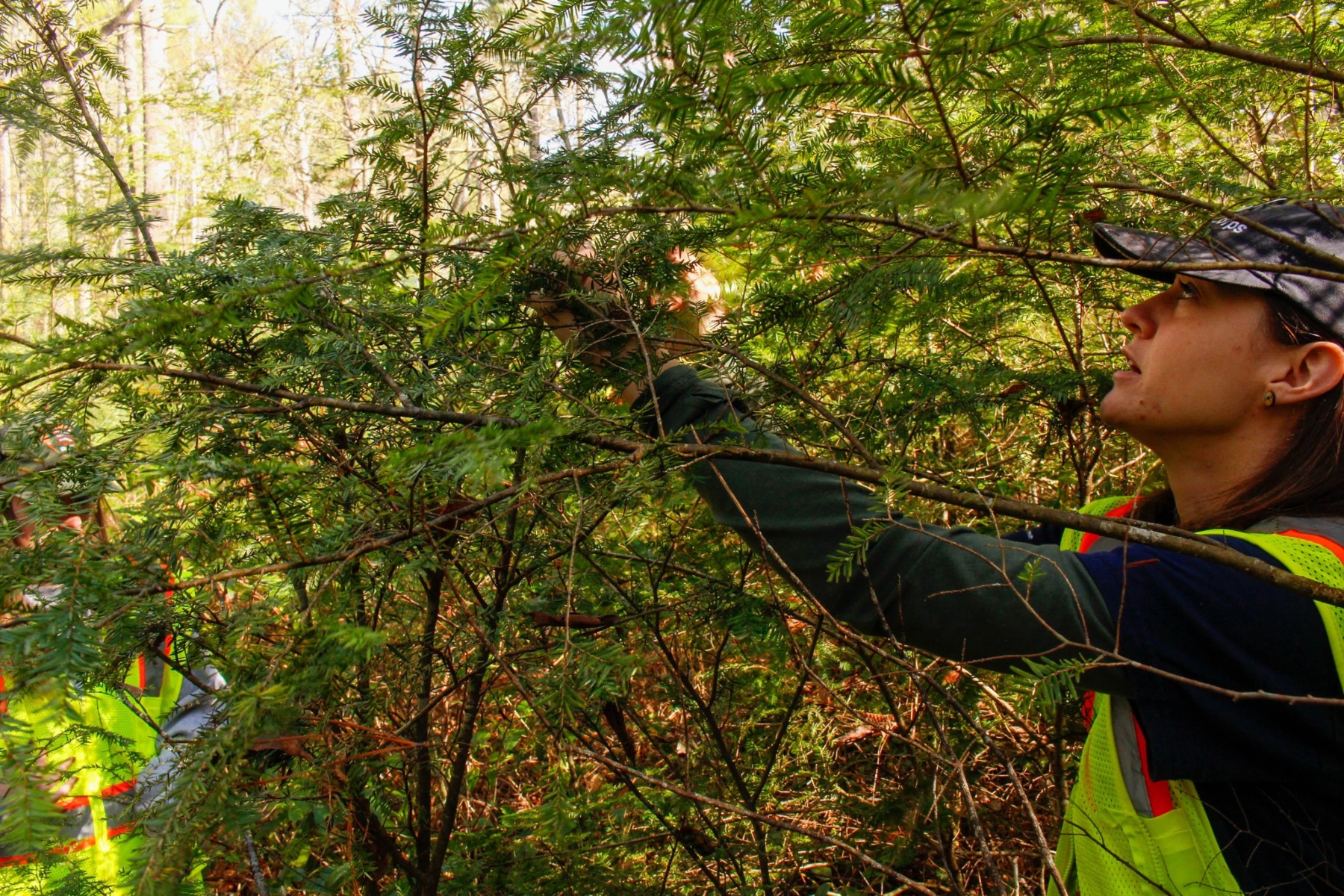
An AmeriCorps Team Member releases biocontrol beetles on a young hemlock tree. Photo: Contributed/Great Smoky Mountains National Park


GREAT SMOKY MOUNTAINS NATIONAL PARK, Tenn./N.C. (828newsNOW) — A tiny beetle from Japan is being released in Great Smoky Mountains National Park in a bid to save the park’s eastern hemlock trees from an invasive insect.
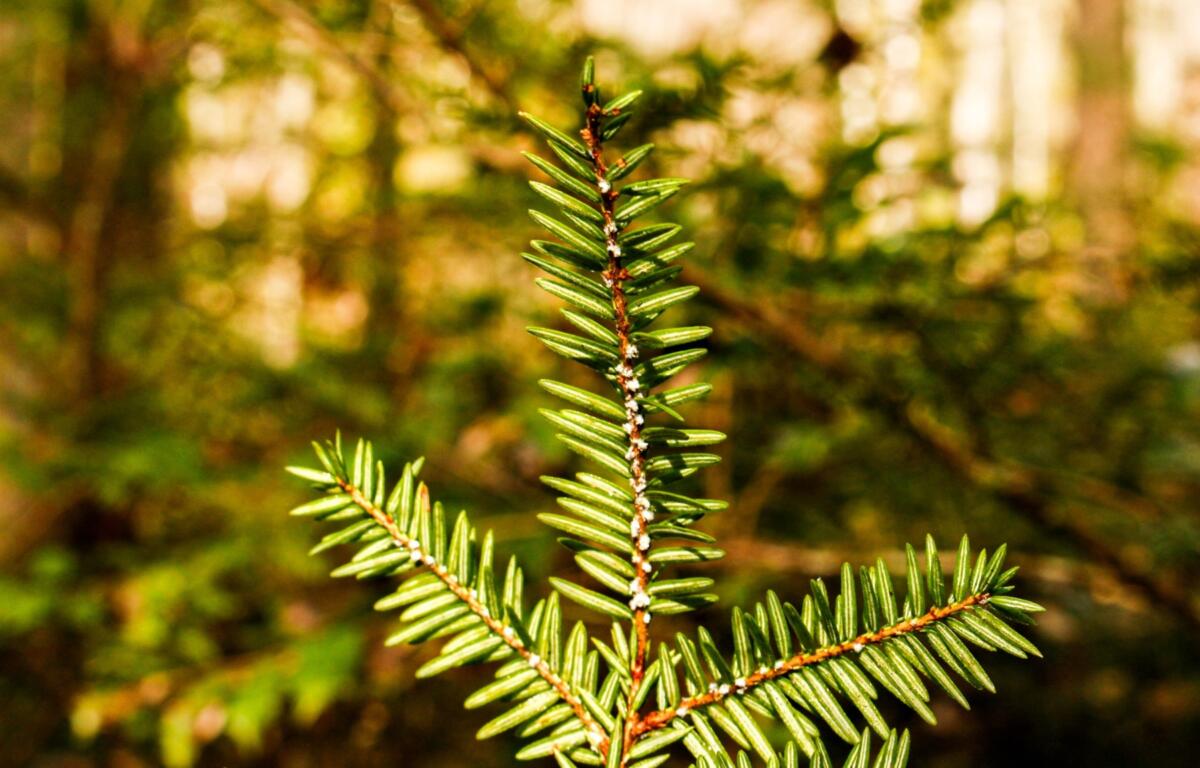
An eastern hemlock branch covered with hemlock woolly adelgid. (Photo credit: Great Smoky Mountains National Park)

The hemlock woolly adelgid, first detected in the park in 2002, has been steadily killing eastern hemlocks, a foundational species that helps keep streams cool, stabilizes soil and provides habitat for wildlife such as brook trout and salamanders. Without intervention, experts say the species could face ecological extinction in the park.

Biocontrol beetles before release. (Photo credit: Great Smoky Mountains National Park)

Park biologists are using a combination of strategies to combat the adelgid, including systemic pesticides applied to individual trees on a five- to seven-year rotation, annual spray treatments in high-traffic areas and the introduction of Laricobius osakensis beetles. Native to Japan, the tiny beetles feed exclusively on the hemlock woolly adelgid and lay their eggs near adelgid colonies, where the larvae continue to feed on the insects.

Unlike chemical treatments, the beetles offer a sustainable, long-term solution, park officials said. The effort is part of a broader plan to protect the Smokies’ forests from invasive species that disrupt ecosystems and threaten biodiversity.
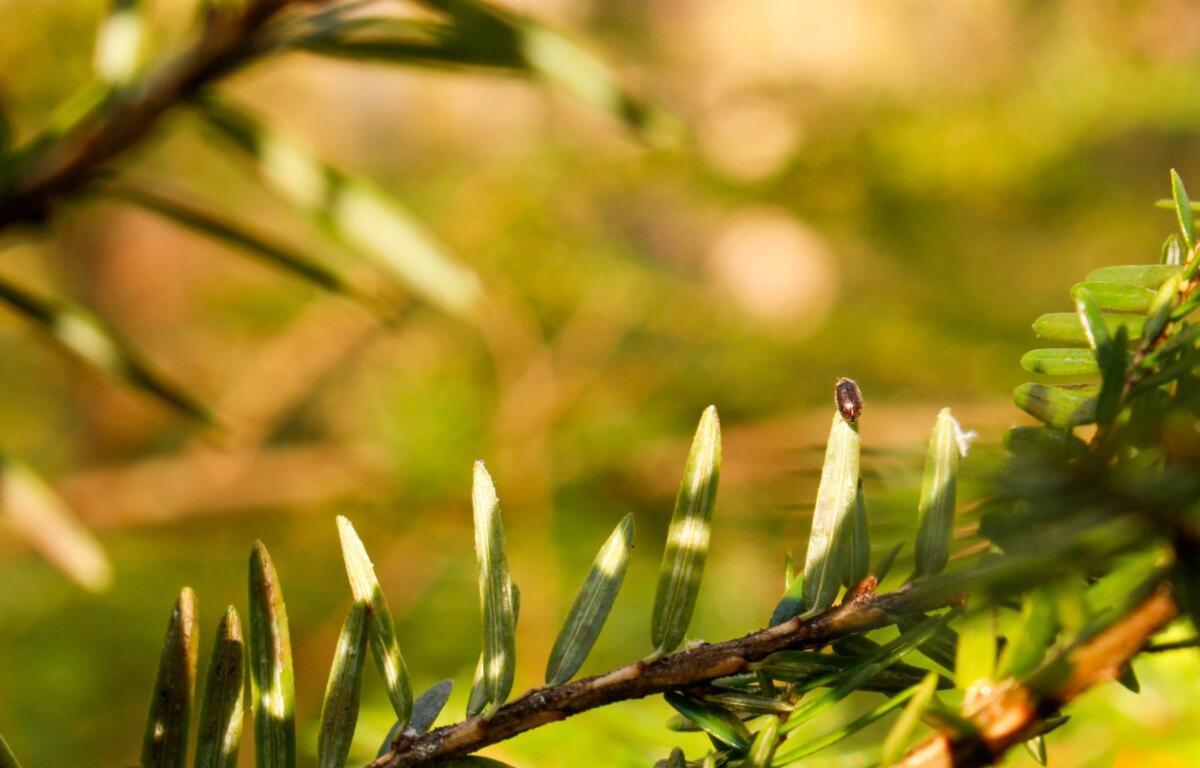
Biocontrol beetle standing on a hemlock needle. (Photo credit: Great Smoky Mountains National Park)

Biologists have released the beetles at select sites after years of research and regulatory approval. Officials hope the initiative will preserve the iconic trees and maintain the ecological integrity of the park for generations.

For more information on invasive species in the Smokies, click here.

Recent Headlines

3 days ago in Trending, World

King Charles III says his cancer treatment is being reduced as he promotes benefits of screening

King Charles III said Friday that early diagnosis and treatment will allow doctors to reduce his cancer treatment in the new year as he encouraged others to take advantage of screening programs that can detect the disease early when it is easiest to treat.

3 days ago in Sports, Trending

Sherrone Moore charged with stalking, home invasion after being fired as Michigan football coach

Fired University of Michigan football coach Sherrone Moore "barged his way" into the apartment of a woman with whom he had been having an affair and threatened to kill himself after she reported the relationship to the school and he lost his job, prosecutors said Friday.

3 days ago in Lifestyle, Trending

Experts share their top tips to save money this holiday season

From gifts to travel plans to grocery shopping, costs can pile up and become overwhelming, especially in a difficult economic environment. Holiday shopping can bring joy, but it's important to stick to a budget and avoid going into debt, said shopping expert Trae Bodge.