ASHEVILLE, N.C. (828newsNOW) — Spring wildflowers are beginning to bloom across the mountains of Western North Carolina, drawing hikers to some of the region’s most scenic trails.
From the high elevations of Craggy Gardens to the open meadows of Graveyard Fields, popular hiking spots are coming alive with seasonal color. Pink and purple rhododendrons, delicate bluets and mountain laurel are among the flowers appearing along trails.
Another standout spot is Max Patch, a grassy bald along the Appalachian Trail known for its sweeping views and vibrant wildflower displays. The relatively short hike to the summit makes it a popular destination for experienced hikers as well as families.
Lower-elevation areas typically see blooms first, with higher elevations peaking later in the season. Trails like the Pink Beds Loop offer a mix of forest and meadow ecosystems, while hikes such as Mount Pisgah Trail provide a combination of wildflowers and panoramic mountain views.
Officials encourage visitors to plan ahead, as popular trailheads can fill quickly during peak bloom. Hikers are also reminded to stay on designated paths to help protect fragile plant life.
Wildflower season typically runs from April through early summer, depending on elevation and weather conditions, offering weeks of changing color across the region’s diverse landscapes.
Here are some of the top spots (mix of easy strolls and moderate hikes):
Best wildflower hikes near Asheville
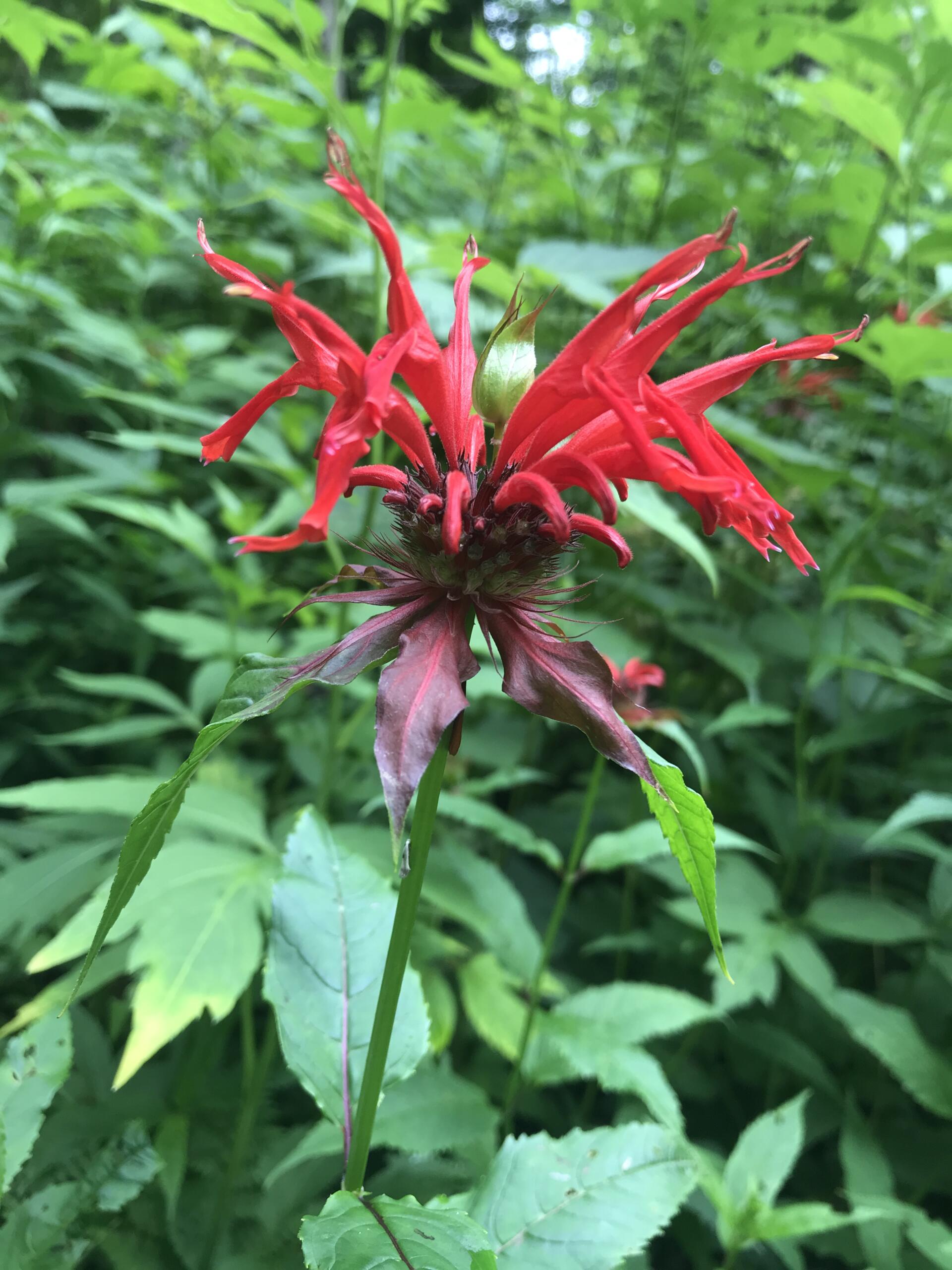
Craggy Gardens (Blue Ridge Parkway)
- Distance: About a 1.5 to 2-mile round trip
- Why go: Famous for tunnels of rhododendron and sweeping mountain views
- Best bloom: Early to mid June
- One of the most iconic wildflower spots — bright pink/purple blooms line the trail and open into grassy balds with 360-degree views
Graveyard Fields
- Distance: 1.5 to 3.3 miles
- Why go: Wildflower-filled meadows plus waterfalls
- Best bloom: April to early June
- Wide-open terrain makes it easy to spot flowers like mountain laurel, asters and bluets
Pink Beds Loop (Pisgah National Forest)
- Distance: About 5 miles (mostly flat)
- Why go: Rare flowers plus peaceful forest/meadow mix
- Best bloom: Late spring
- Known for the unique “swamp pink” flower and lots of spring color along streams
Sam Knob
- Distance: About 2.5 miles
- Why go: Open meadows packed with wildflowers and mountain views
- Best bloom: Spring through summer
- Expect asters, clover, goldenrod and more in grassy high-elevation fields
Mount Pisgah Trail
- Distance: About 2.6 miles
- Why go: Forest hike with wildflowers and big summit views
- Best bloom: Spring
- Early sections are lined with rhododendrons and mountain laurel
Roan Mountain (Carvers Gap area)
- Distance: About 4 to 5 miles
- Why go: One of the most spectacular wildflower displays in the region
- Best bloom: Late June to July
- Famous for massive rhododendron gardens and high-elevation balds
Botanical Gardens at Asheville (easy option)
- Distance: About a 0.5-mile loop
- Why go: Super accessible wildflower cove near downtown
- Best bloom: Spring
- Great if you want flowers without a big hike
Max Patch (Pisgah National Forest)
- Distance: About 1.5 miles (loop options)
- Why go: Huge grassy bald with panoramic views and seasonal wildflowers
- Best bloom: Late spring to early summer
- A favorite for sunset hikes, this open summit bursts with daisies, buttercups and other blooms scattered across rolling hills
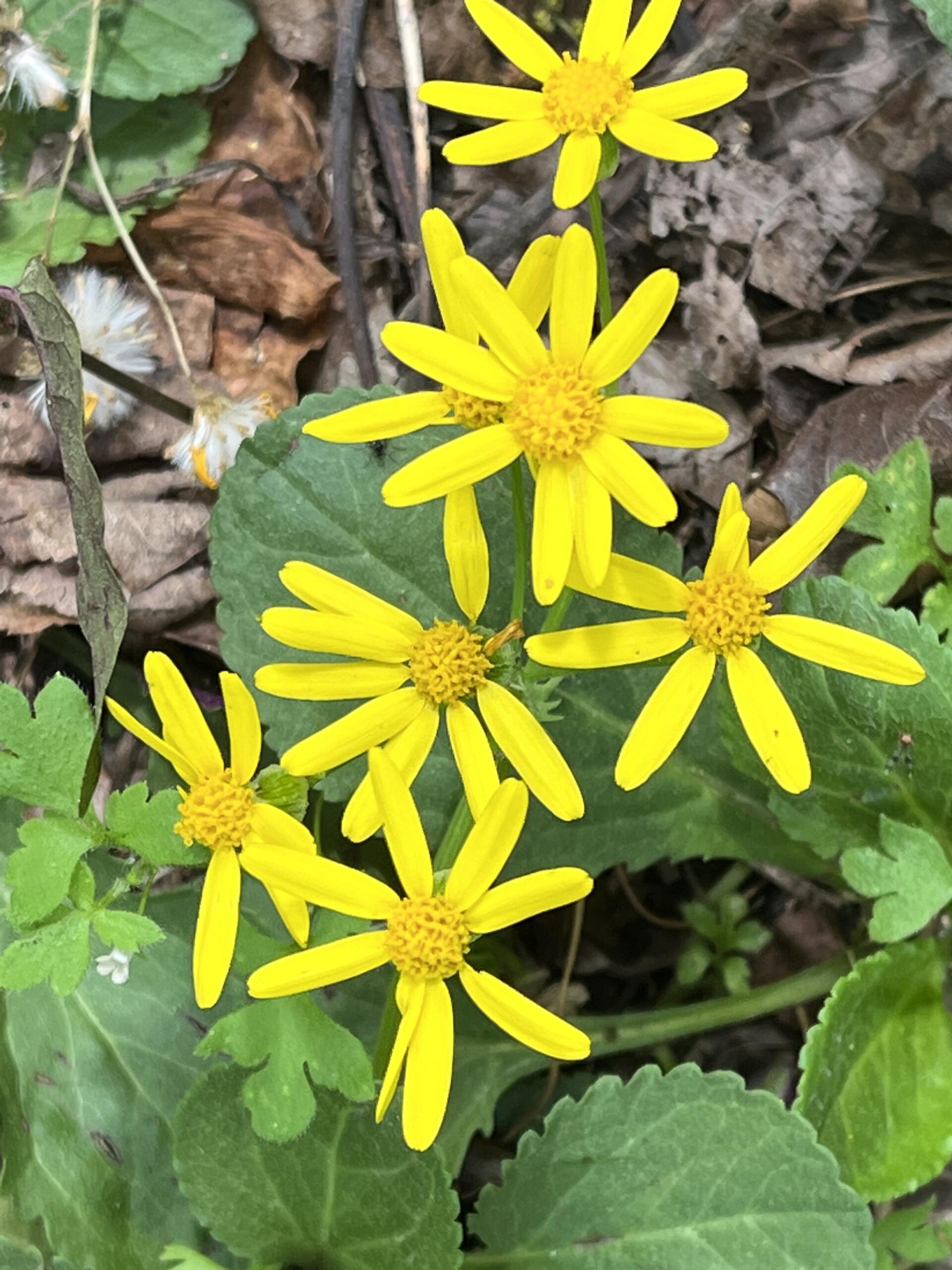
Black Balsam Knob / Art Loeb Trail
- Distance: 1.5 to 5-plus miles (varies)
- Why go: High-elevation balds with wildflowers and sweeping vistas
- Best bloom: June to July
- Near Blue Ridge Parkway, this area offers some of the most photogenic wildflower displays in Western North Carolina
Catawba Falls (Old Fort area)
- Distance: About 2.2 miles round trip
- Why go: Wildflowers along a scenic waterfall hike
- Best bloom: Spring
- Located near Old Fort, this trail mixes trillium, violets and other blooms with a rewarding waterfall destination
Bearwallow Mountain (Henderson County)
- Distance: About 2 miles round trip
- Why go: Easy hike with wildflowers and wide-open summit views
- Best bloom: Spring through early summer
- Near Hendersonville, this pasture-like summit fills with seasonal blooms and grazing cattle
Dupont State Recreational Forest
- Distance: Varies (many trail options)
- Why go: Wildflowers plus waterfalls and lakes
- Best bloom: Spring
- Located near Brevard, trails around Hooker Falls and Triple Falls feature trillium, foamflower and more
Big Ivy/Coleman Boundary (near Barnardsville)
- Distance: 2 to 6 miles
- Why go: Quiet, less-crowded wildflower haven
- Best bloom: April to May
- In Pisgah National Forest, this area is known for trillium, jack-in-the-pulpit and other native species in a peaceful setting
Bent Creek Experimental Forest
- Distance: Multiple trail options
- Why go: Close-to-town wildflowers and easy access
- Best bloom: Spring
- Just south of Asheville, this forest offers early blooms like bloodroot and spring beauties without a long drive
Rich Mountain Loop (Great Smoky Mountains)
- Distance: About 8.5 miles
- Why go: Diverse wildflowers in a less-visited Smokies trail
- Best bloom: Spring
- Located in Great Smoky Mountains National Park, this trail is especially colorful during peak spring bloom
Hot Springs Appalachian Trail Section
- Distance: Varies
- Why go: Wildflowers along a famous long-distance trail
- Best bloom: Spring
- Near Hot Springs, this stretch of the Appalachian Trail features lush forest blooms and river views
Quick tips
- Best overall timing: April through June (lower elevations bloom first, higher elevations later)
- Go early: Popular spots like Graveyard Fields fill up fast
- Check parkway access: Parts of the Blue Ridge Parkway can still be closed in early spring
- Bring layers: Temps drop quickly at higher elevations
-
Hikes of WNC: Wildflowers light up trails across Asheville area
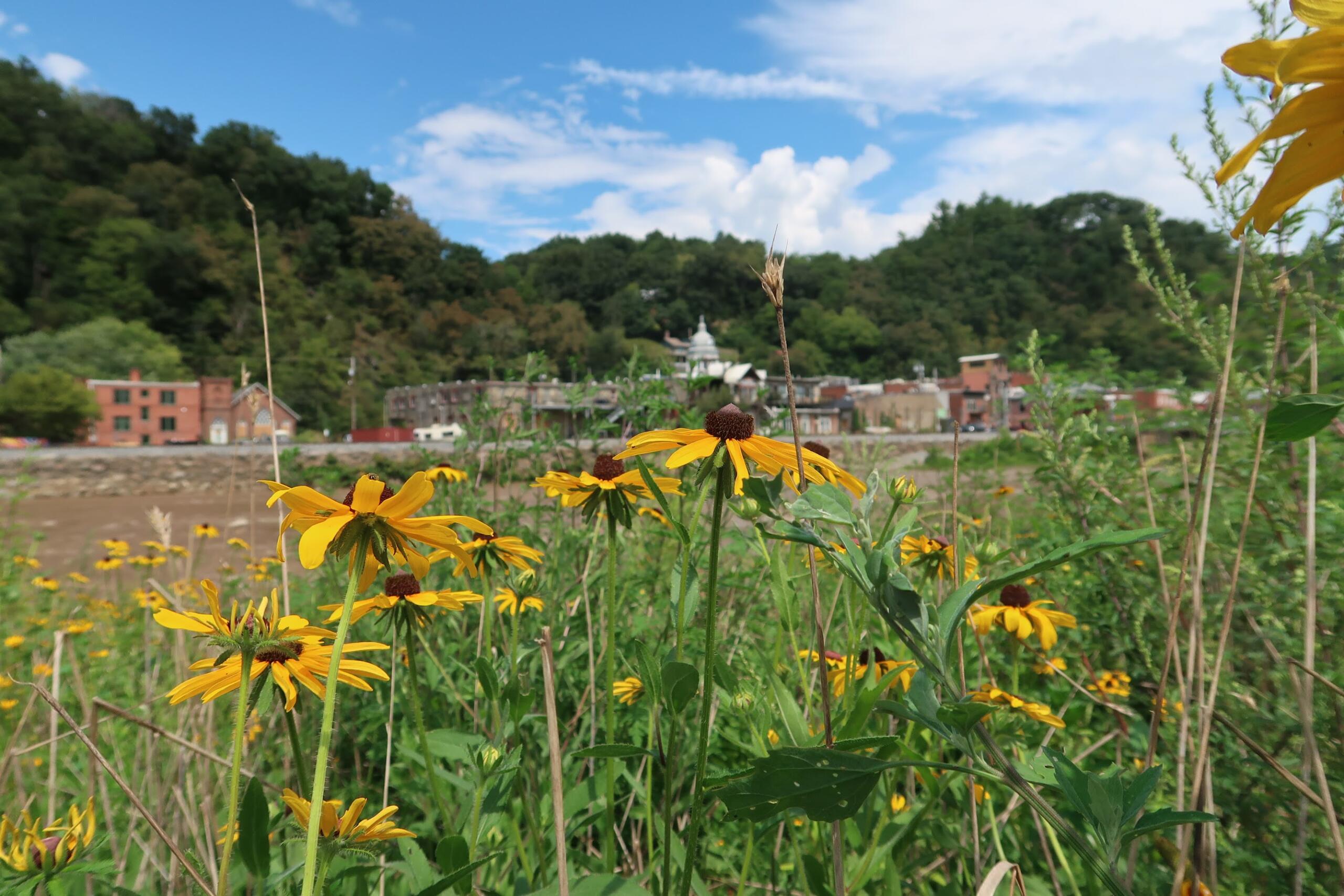
From Craggy Gardens to Graveyard Fields, hikers can find vibrant blooms at varying elevations. Check out our list of wildflower hiking trails.
-
Hikes of WNC: Collier Cove Nature Preserve
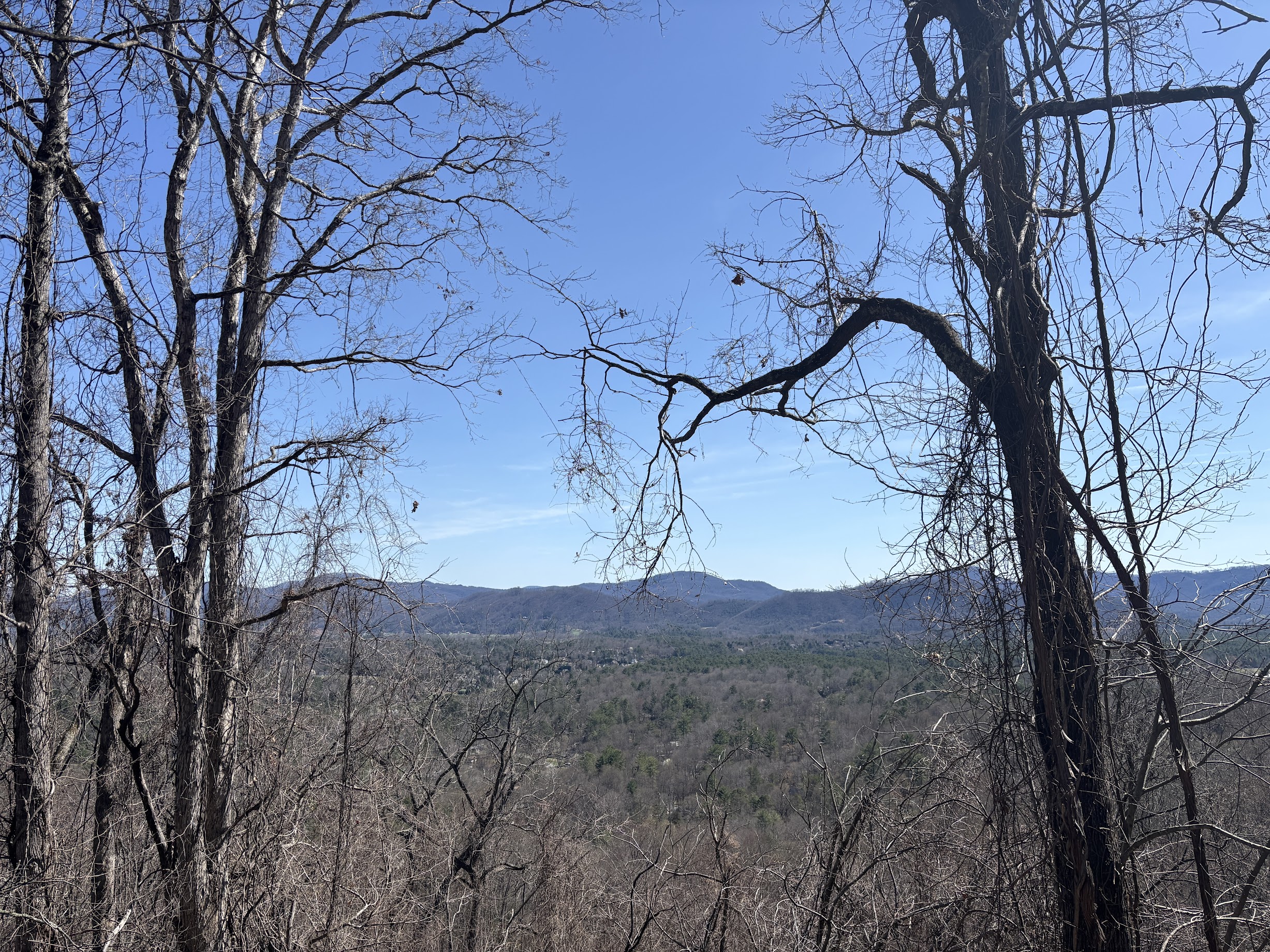
How about a hard one this week? Collier Cove Nature Preserve is a Buncombe County park perched on an Arden mountaintop. Trails on the preserve may not be long, but they are about as steep as they get.
-
Hikes of WNC: Hardtimes Connector Trail in Bent Creek Experimental Forest
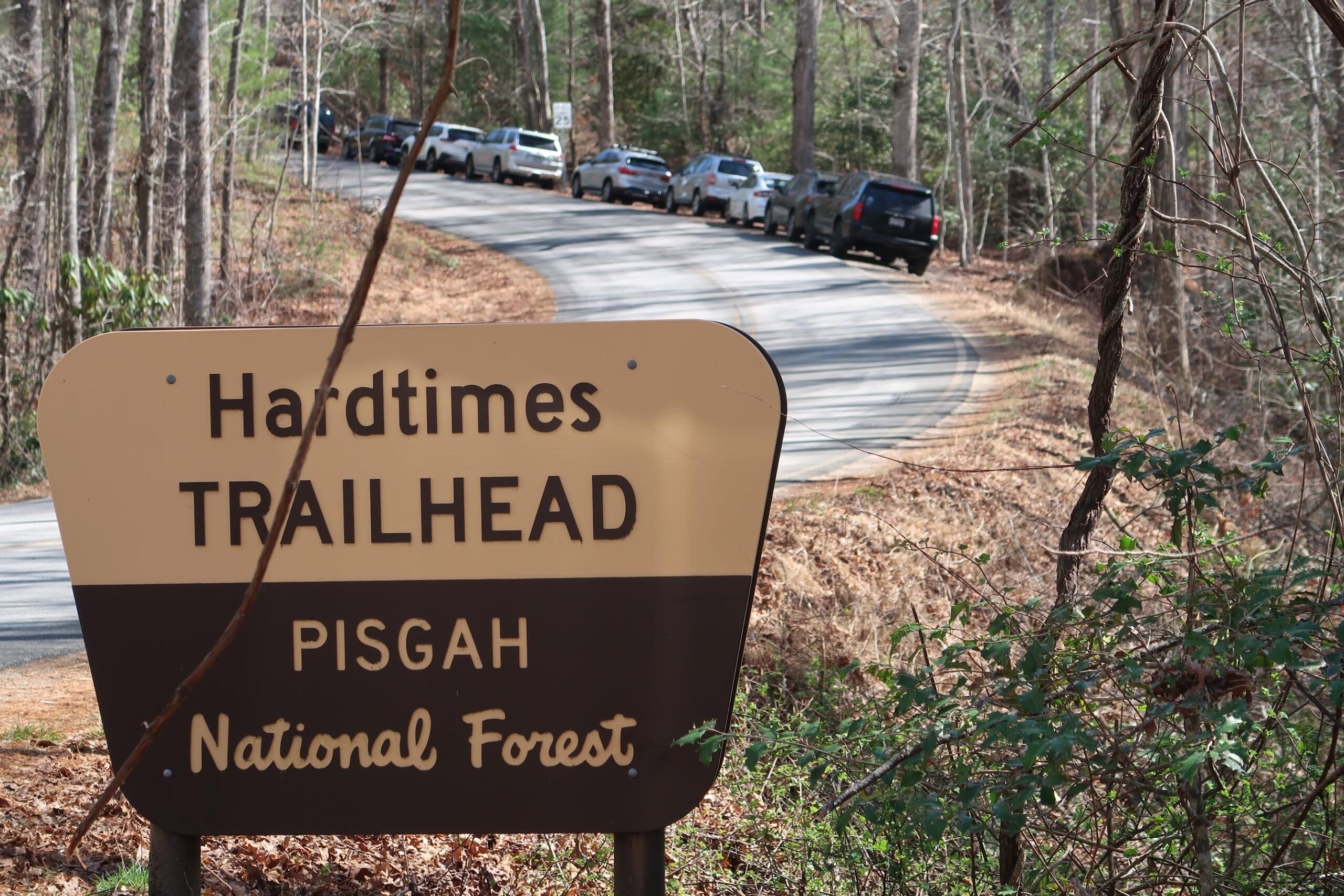
Bent Creek Experimental Forest has a wealth of hiking trails. One that is an especially good time is the Hardtimes Connector Trail, which connects with Deer Lake Lodge Loop for a solid 2 mile hike.
-
Hikes of WNC: Blue Ridge Parkway Visitor Center Loop
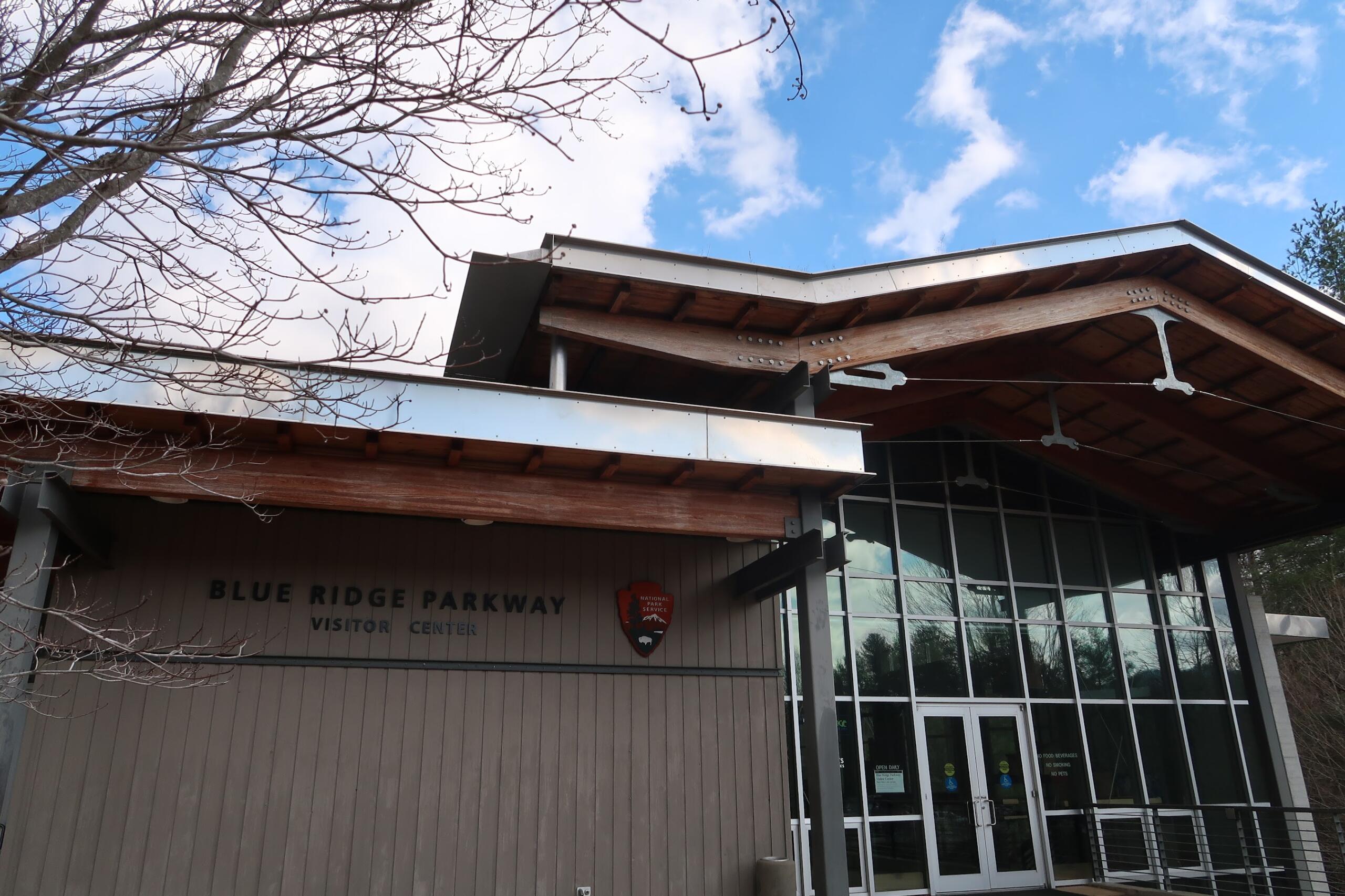
The Blue Ridge Parkway Visitor Center is one of Asheville’s lesser-known treasures. In addition to an interactive museum, an information desk and a gift shop, the visitor center is home to a 1.2 mile trail loop, complete with a road crossing on the parkway itself.
-
Hikes of WNC: Beaver Lake Perimeter Loop
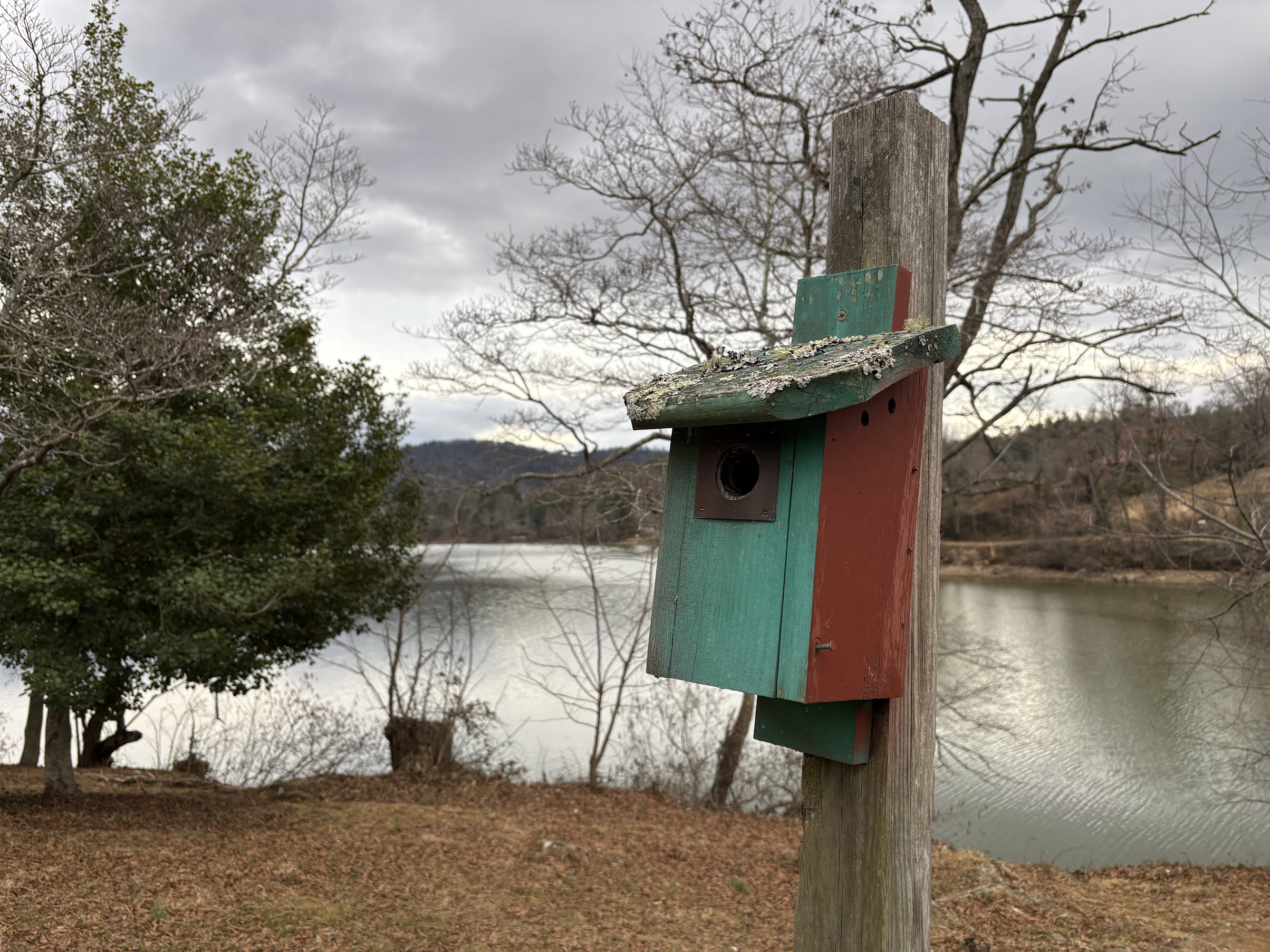
One of the most popular outdoor recreation spots in town is Beaver Lake. The North Asheville lake features a 2 mile trail around its perimeter, a popular, simple and scenic walk for all ages.