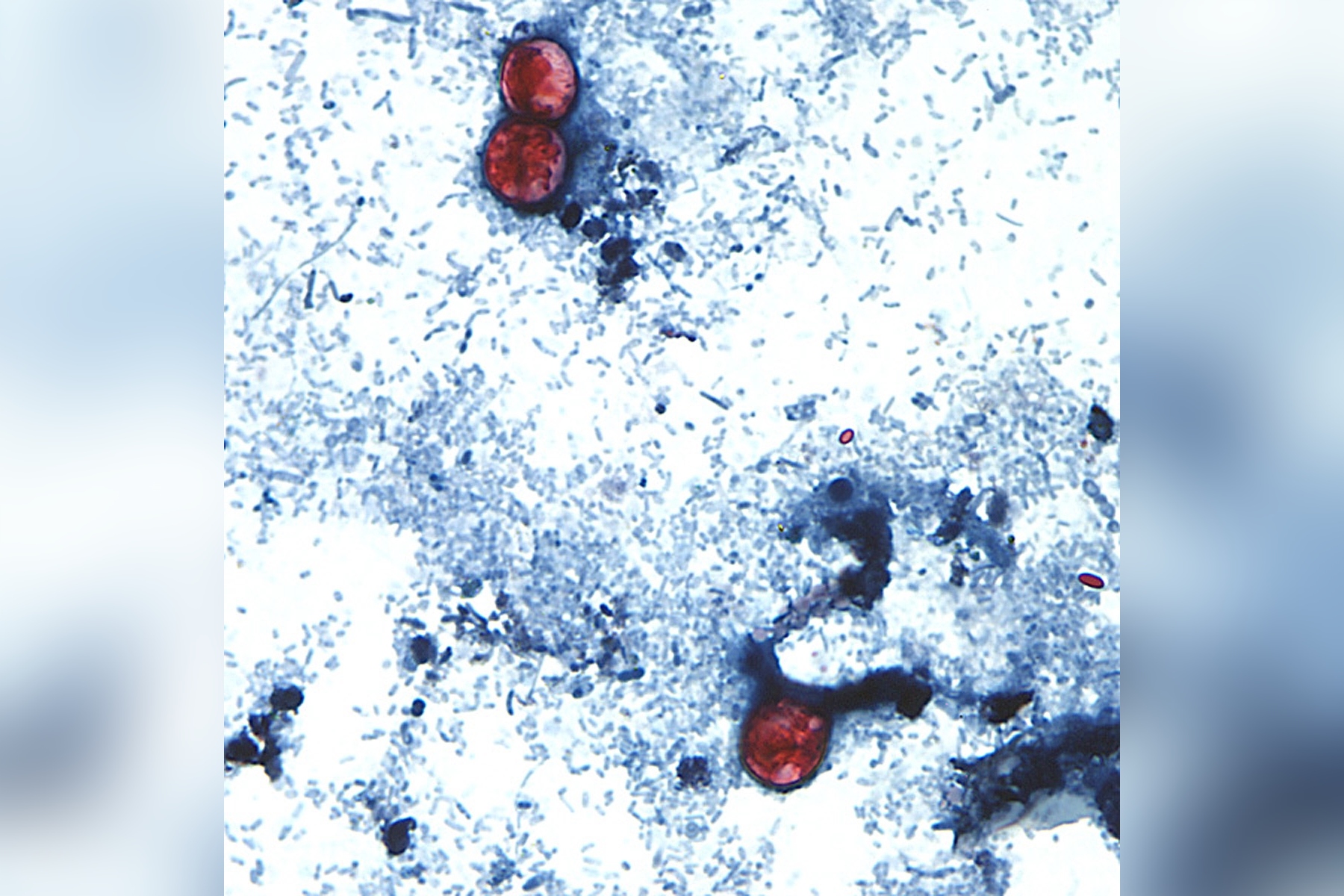
ASHEVILLE, N.C. (828newsNOW) — North Carolina has reported at least 240 cases of cyclosporiasis since May 1, state health officials said Friday, a sharp increase from earlier reports as investigators continue working to identify the source of the foodborne illness.
The updated total from the North Carolina Department of Health and Human Services places North Carolina among the states with the highest number of reported cases this year. The agency has not released a county-by-county breakdown of infections.
The Centers for Disease Control and Prevention said Friday it has received reports of 843 confirmed domestically acquired cases nationwide as of July 9, including 86 hospitalizations and no deaths. Cases have been reported in 31 states, and the agency expects those numbers to increase as additional reports are confirmed.
The CDC also said it is aware of more than 1,500 additional illnesses that require further analysis to determine whether they are domestically acquired cases of cyclosporiasis. Multiple states have reported an increase in infections over the past two weeks compared with the same period in 2025, and federal and state investigators are working to identify the food sources responsible for several multistate outbreaks.
Cyclosporiasis is caused by the microscopic parasite Cyclospora, which people become infected with by consuming food or water contaminated with the parasite. The illness is most often linked to fresh herbs and produce that are eaten raw, making it more difficult to prevent than many other foodborne illnesses that can be eliminated through cooking.
North Carolina health officials said parsley and cilantro are among the ingredients most commonly associated with Cyclospora outbreaks. If contaminated, the parasite can survive from the field where produce is grown until it reaches a consumer’s plate unless proper cleaning practices are followed.
Public health officials said investigating foodborne illnesses requires extensive coordination among local, state and federal agencies. Investigators interview patients, analyze food exposure histories and work to identify common ingredients that may have caused illnesses. In many cases, officials said, the contaminated item is a specific ingredient in a dish rather than the restaurant or grocery store where the food was purchased.
Symptoms of cyclosporiasis typically begin about one week after exposure and commonly include watery diarrhea — sometimes with frequent or explosive bowel movements — along with stomach cramps, bloating, nausea, fatigue, loss of appetite and weight loss. Some people also experience fever, body aches or headaches, while others have no symptoms.
Although the illness is generally not life-threatening, symptoms can last for weeks if left untreated. Doctors typically prescribe antibiotics to treat the infection.
The increase in cases comes as the CDC has changed how one of its foodborne disease surveillance programs monitors Cyclospora. In July 2025, the agency made reporting through its FoodNet surveillance program optional rather than mandatory for participating states. However, cyclosporiasis remains a nationally notifiable disease in most states, and confirmed cases continue to be reported to the CDC through public health surveillance systems.
To reduce the risk of illness, NCDHHS recommends washing hands with soap and water for at least 20 seconds before and after preparing fresh produce. Consumers should rinse fruits and vegetables under running water before peeling or cutting them, scrub firm produce such as melons and cucumbers with a clean vegetable brush, dry produce with a clean cloth or paper towel, and remove the outer leaves from heads of lettuce or cabbage. Health officials do not recommend using soap or commercial produce washes to clean fruits and vegetables.
Anyone experiencing prolonged diarrhea or other symptoms of cyclosporiasis should contact a healthcare provider. NCDHHS said it will continue working with local, state and federal partners until the source of the current illnesses is identified.