ASHEVILLE, N.C. (828newsNOW) — Ramp season is about to begin across Western North Carolina, bringing the return of one of the Appalachian region’s most sought-after wild foods — and renewed reminders to harvest the plant responsibly.
Ramps, a native Appalachian wild leek, typically emerge in late March and can be found through early May. The brief season varies by elevation, with plants appearing first in lower valleys in late March or early April and continuing into early May in higher, colder mountain areas.
The pungent spring delicacy is commonly sold at farmers markets and featured on seasonal menus at restaurants throughout the region.
Because ramps grow slowly and take years to mature, land managers and botanists urge foragers to harvest carefully to protect fragile populations.
Ramps grow in shady, moist deciduous forests, often near creeks and rich mountain soil. Experts recommend harvesting only a few leaves from each plant instead of pulling the entire bulb, which allows the plant to continue growing and reproducing.
Concerns about overharvesting have grown in recent years.
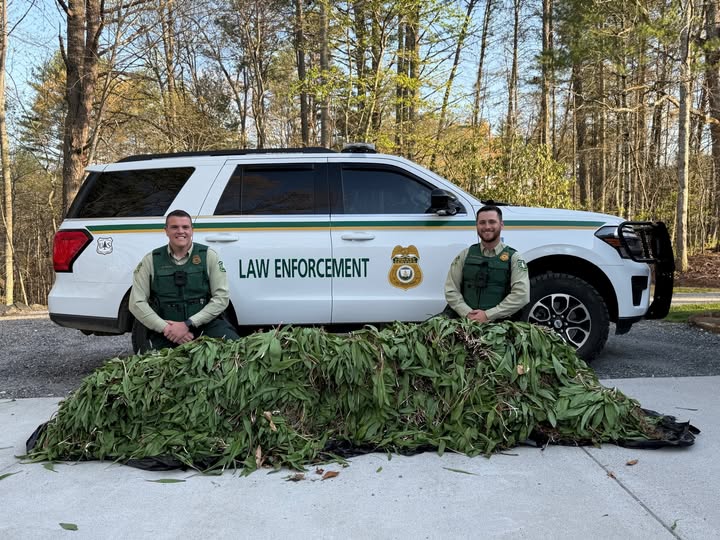
According to the U.S. Forest Service, law enforcement officers in April 2025 broke up a suspected large-scale ramp poaching operation in the Nantahala National Forest after visitors reported suspicious activity. Officers confiscated about 425 pounds of illegally harvested ramps — one of the largest seizures in recent years within North Carolina’s national forests.
Officials said the discovery followed reports of people leaving the forest carrying unusually large quantities of the plants. A patrol of the area uncovered a harvesting operation that violated federal regulations and threatened native plant populations.
Ramps, known scientifically as Allium tricoccum, can take up to seven years to mature, meaning large-scale harvesting can significantly damage fragile forest ecosystems.
“This isn’t just about one plant,” Forest Service botanist Maria Dunlavey said in a statement. “It’s about preserving a heritage and a habitat. Without proper care, we risk losing both.”
On national forest lands in North Carolina, visitors may harvest up to 3 pounds, or about one gallon, of ramps for personal use without a permit. Commercial harvesting requires a permit obtained through local ranger districts.
Officials say following those limits and practicing sustainable harvesting can help ensure ramps remain a springtime tradition in the Appalachian Mountains for years to come.
Rather than discarding the confiscated ramps from last year’s case, Forest Service officers worked with community partners to donate them to local fire departments, police departments and churches.
As this year’s ramp season begins, forest officials encourage visitors to learn the rules before foraging and to harvest responsibly to protect the region’s natural resources.